
How to Choose a Mastering Engineer in 2026: Online, Local, or AI?
Choosing the right mastering engineer matters more than ever. Artists release music worldwide; streaming platforms normalize loudness; AI tools are everywhere. A great master keeps your song competitive and emotionally intact in all of those contexts.

Streaming normalization hasn’t ended the loudness wars — plenty of chart records still sit around –9 LUFS — it’s just changed the rules. Engineers have figured out how to push loudness in ways that slip comfortably through normalization. A good human gives you loudness where it helps, restraint where it matters, and a master that translates instead of collapsing.
Online mastering is now standard. High-speed internet and remote workflows let you work with top engineers anywhere without leaving home. In a world where the wrong tools can flatten your mix with one click, choosing the right engineer really counts.
Four Keys to a Great Mastering Partnership
Ears & Taste (Style)
First: does the engineer sound like you? Listen to their portfolio or ask for before/after examples. Good engineers have credits on music you actually enjoy, not just impressive logos. Check the liner notes of records you love — you’ll often see the same names appear on work that shares your sensibility.
Pay attention to tone and feel: analog warmth vs crisp digital, laid-back vs in-your-face, spacious vs dense. A human can hear the stylistic cues in your mix and lean into them musically. That’s what you’re hiring: someone whose aesthetic you trust and who understands the record you’re trying to make.
Translation & Consistency
A great master feels coherent everywhere. If it’s muddy on one system and sharp on another, that’s a translation issue — and mastering exists to solve it.
Look for engineers whose work holds up across projects: multi-genre credits, repeat clients, reviews that point to reliability. Ideally the same engineer handles an entire release so the record feels unified. Human-made masters tend to land better emotionally and maintain balance across systems — the consistency shows up in feel, not just in measurements.
Process & Communication
Good workflow beats gear worship. The engineer should outline timeline, deliverables, and revision policy up front. They’ll ask about release format (digital, Apple Digital Masters, vinyl/DDP, etc.), prefer well-labeled 24- or 32-bit WAVs with no clipping, and tell you exactly how to send material.
They should welcome feedback and revisions. Most pros include at least one round as standard; “we work until everyone’s happy” is a healthy stance. You want someone who’s responsive, asks specific questions, and keeps you updated. Clear communication is still the biggest advantage humans have over automated services.
Ethics & Transparency
Trust your gut. A reputable engineer is clear about pricing and scope, credits you correctly, and doesn’t make wild promises. Watch for sudden price jumps, vague packages, or pressure to buy unnecessary add-ons. You should know what’s included and what isn’t.

Online vs. Local vs. AI: Which Fits Your Project?
Local (In-Person) Sessions
Attended sessions can be great if you like the exciting big-speaker, in-room experience. High-end rooms often have strong analog chains and great acoustics, and you can discuss details in real time with your engineer. For artists in hubs like Nashville, LA, London, etc., sitting in can feel special.
The trade-off: it’s more expensive and less flexible. You’re paying for the room and the clock. For most independent releases, in-person sessions are a nice extra for special projects (vinyl lacquers, surround masters) rather than a requirement.
Online Human Mastering (most clients)
For most projects, online mastering is the sweet spot. You upload your mix and receive finished masters by email or download link. It’s convenient, often more affordable, and lets you work with specialists anywhere in the world.
You still get all required formats — streaming, CD, vinyl premasters — clearly labeled and organized. You still exchange notes and revisions. You just do it asynchronously, which actually allows you to take longer to sit with the master before giving feedback. For singles, EPs, and albums, this covers everything you need.
AI / Automated Mastering
Automated tools (LANDR, Ozone assistants, BandLab, etc.) have improved and can be useful for quick demos or rough drafts. They’re fast and inexpensive, which makes them handy for songwriting sessions, beat packs, or quick in-the-moment sketches.
Blind tests consistently show listeners prefer human masters; AI versions often feel flatter or over-compressed. The best human masters in those tests weren’t always the loudest — again, loudness isn’t quality. AI is fine for drafts. For real releases, rely on a human who works in nuance and emotional impact.
Red Flags to Avoid
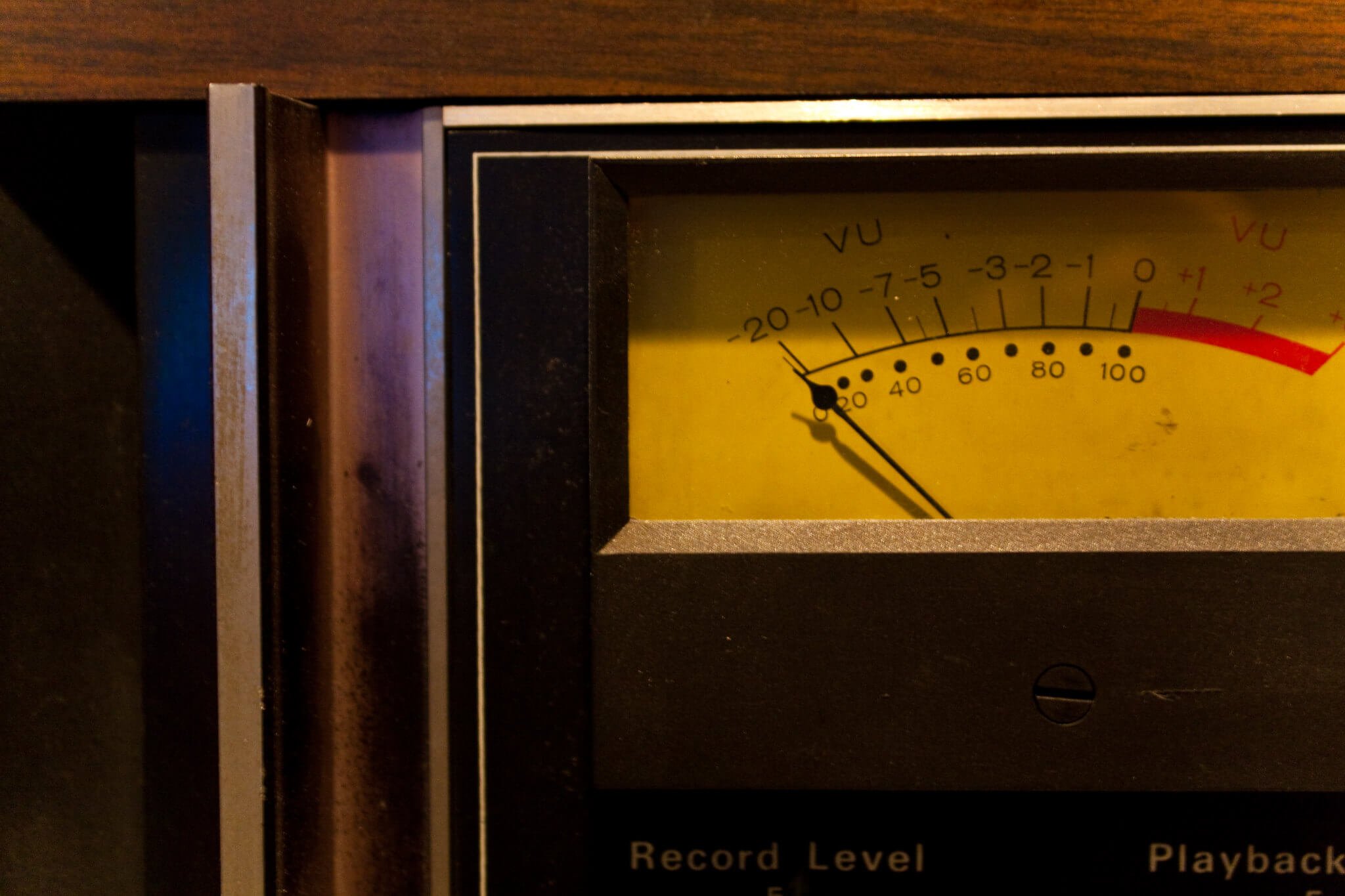
“We’ll fix your mix!”
Mastering enhances a mix; it doesn’t rebuild one. A master can be clearer and more cohesive, but it can’t undo fundamental mix problems. Get the mix as right as you can first.
No Portfolio or Real ID
If an engineer has no examples, no credits, or hides behind branding hype with no traceable name, that’s an issue. Listen to their work and, if possible, read what other artists say.
Loudness Obsession
Anyone selling “the loudest master” is selling the wrong thing. Loudness is easy. Musical impact without fatigue is harder. Quieter, better-balanced human masters often beat louder automated ones in real-world preference tests.
Bait-and-Switch Pricing
Be clear on cost before you start. Avoid offers that sound cheap but add fees for every revision or format. A reputable engineer quotes a rate and sticks to it.
Checklist for Hiring a Mastering Engineer
Listen and Compare
Check their previous masters, especially in your genre.
References & Reviews
Look for comments about tone, consistency, communication, reliability.
Discuss Deliverables
Confirm timeline, formats, and included revisions. Make sure any streaming, CD, and vinyl needs are covered.
Provide Your References
Send your mix and one or two commercial tracks you love. They’ll act as a tonal and emotional compass.
Clarify Credits & Pricing
Confirm correct crediting and that you’ll receive full-resolution masters. Get an invoice, or at least the rate and revision policy in writing.
Trust Your Instincts
If the engineer communicates clearly, asks specific questions, and stays engaged, that’s a good sign. If replies are vague, slow, or dismissive, move on.

How I Work
I’m a Seattle-based mastering engineer, and my approach is straightforward: serve the record.
I start by listening with fresh ears. After months of living inside your own mix, perspective narrows; my job is to hear the whole picture. In my room, on monitors I know deeply, I compare your mix with your chosen references and with the internal library I’ve built from past sessions.
My chain blends high-end digital tools with complimentary analog stages if and when they help, but I don’t treat gear as doctrine. What matters is that the master is a genuine step forward from your mix: clearer, more confident, more emotionally direct, and stable across systems. I don’t stop until that’s true.
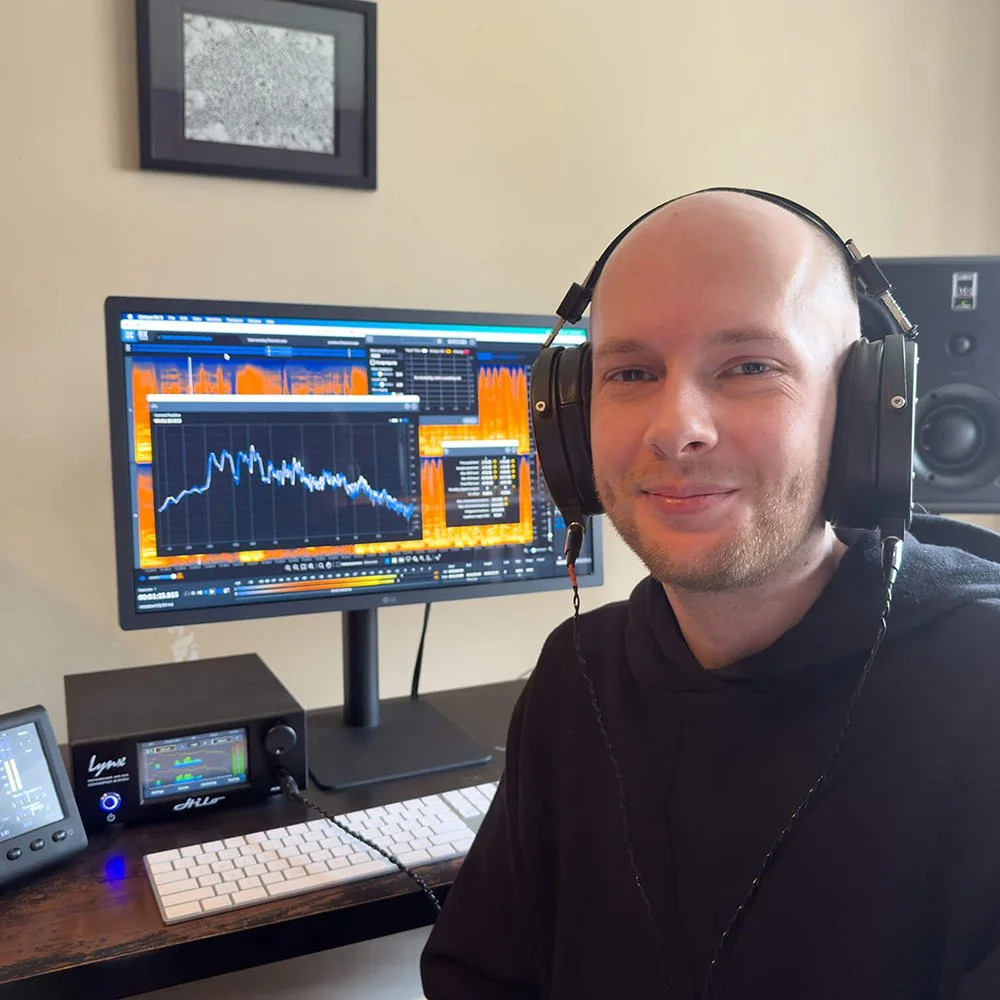
Mastering is a collaboration, not a black box. I’ll ask about your release plans, deadlines, track sequence, and any special formats (digital, Apple Digital Masters, vinyl/DDP). I welcome references and notes. Revisions are included — we fine-tune until the record feels right. When you receive your masters, everything arrives clearly labeled in the formats you need.
The aim is simple: your music sounding like its best self. When a master lands, it feels like the record has arrived where it was always meant to go.
If you want to see how I handle rates, process, and client work, you can explore the site, read artist testimonials, and see whether my work lines up with your own taste. Whether you’re in Seattle or anywhere else, the work is the same: careful, transparent, and in service of the song.