
Mastering as a Strange Tool: Perception as Probing
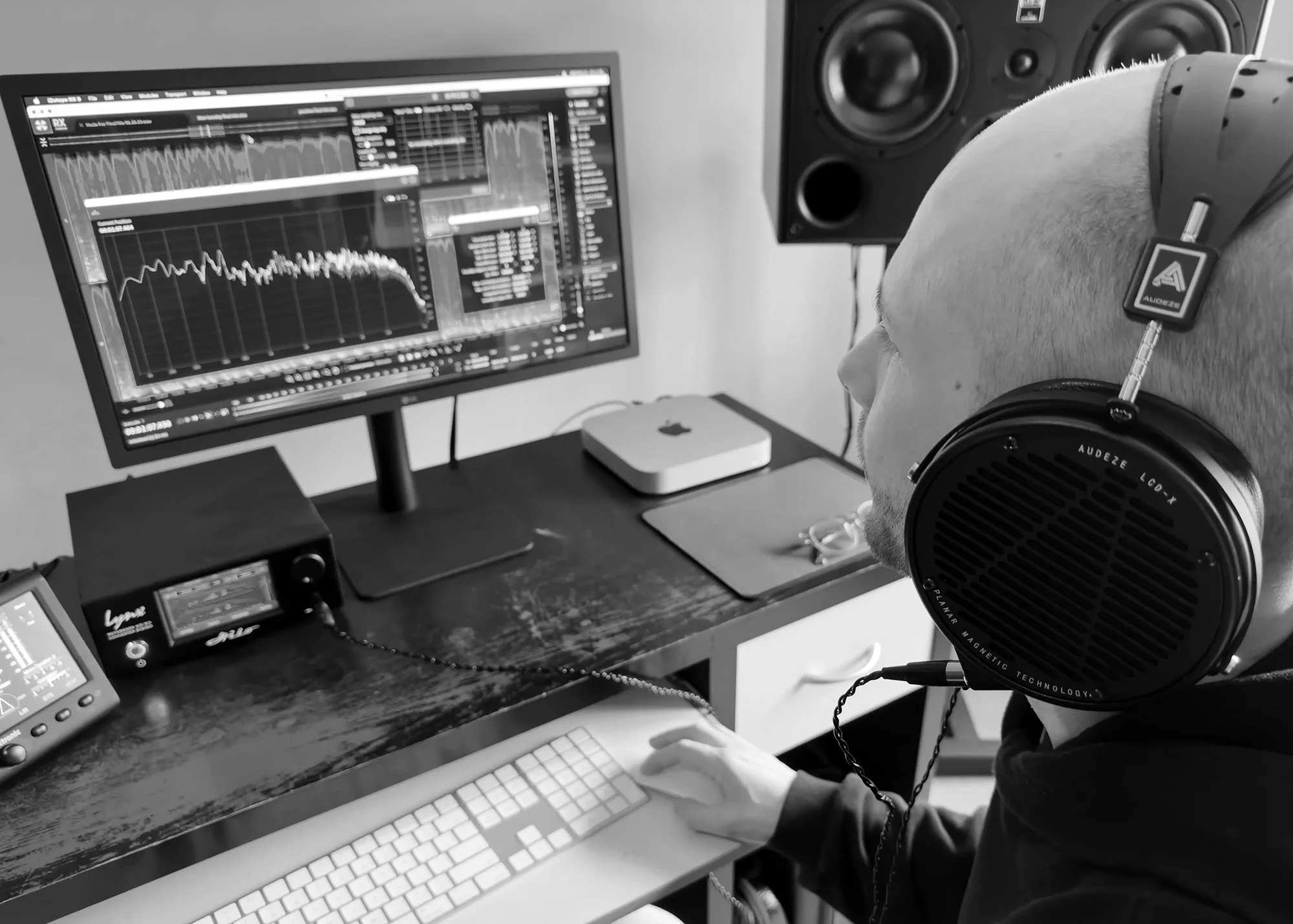
In Perception as Participation, I tried to name what I kept running into during my mastering work: perception as trained contact with something that pushes back. Attention as Action is the companion piece about how attention actually behaves, how environments shape it, and why that matters.
Later, I read Alva Noë and felt a sort of relief: there was already language for a hinge I’d been using in practice.
Perceptual presence as re-access
One of the cleanest ideas, in plain terms, is this: detail is “there” because you can reliably get back to it through skilled action, not because your mind holds a perfect internal snapshot.
That’s close enough to mastering that it immediately felt familiar.
You’re not “receiving” the track. You’re working it.
Your best judgments aren’t first impressions. They’re what survives repeated return: level shifts, mono checks, micro-moves, reference flips, rests, and coming back cold.
The track’s “truth” isn’t a momentary feeling. It’s in the loop: you + tools + constraints + time + comparison.
Here, Douglas Hofstadter’s idea of loops is a practical help. He treats the self as something that emerges through return: a pattern that stabilizes by turning back on itself, evaluating, revising. Not a fixed object; more like a feedback shape.
Mastering is built the same way.
You listen, act, listen again. The result adjusts the track, but it also adjusts you — your expectations, your sensitivity, your internal reference. The next move comes from a slightly different perceiver than the last one.
Over time, the loop becomes trustworthy. What you trust is what survives the cycle.
Perception is a loop: not intake, but return.
This is why I don’t endorse the mystique around “golden ears.” What actually matters is a method of returning to the same object until your story about it either holds up (or it doesn’t).
Perception-as-probing
Here’s the studio version:
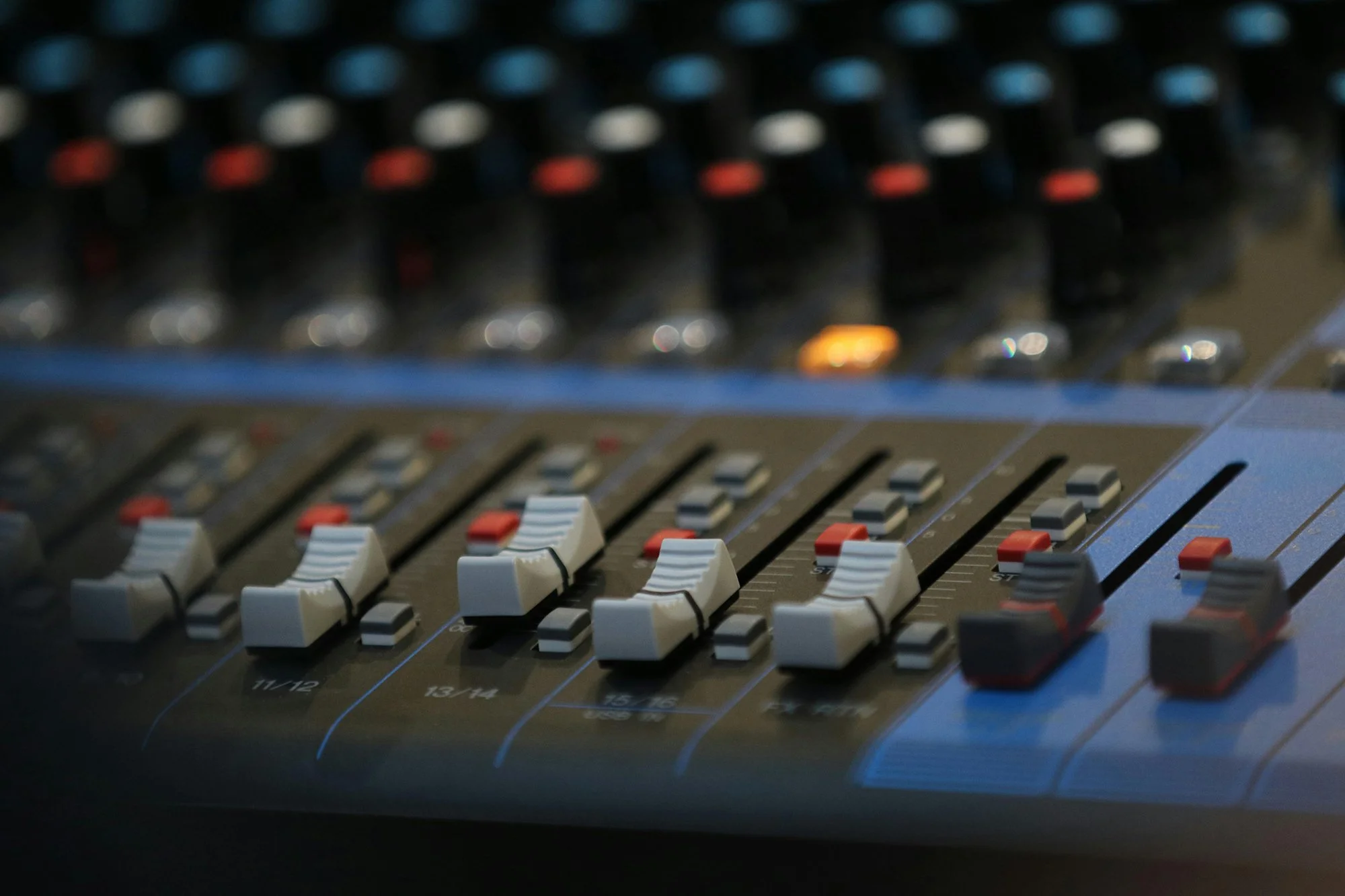
Treat every listen like a small experiment.
Not “what do I think of this?” but “what action would reveal the next thing I’d otherwise miss?”
That’s why the job is full of routines that look boring from the outside: level control, mono, references, breaks, different monitoring contexts, undoing moves you were sure you liked. You’re not stacking improvements. You’re testing what survives.
And you’re testing yourself too. Fatigue, adaptation, impatience — those will happily write a persuasive story for you if you let them.
Mastering as a strange tool
Mastering has deliverables. It’s functional. But done seriously, it becomes a kind of experimental perception lab.
You learn what changes when context changes. What collapses under pressure. What was just adaptation. What was wishful thinking, and what’s actually there.
That’s also why I’ve come to see attention as ethical from the start. In a mastering room, it’s not abstract. If you emphasize something, you’re not only shaping a record, you’re shaping what a listener will live inside.
So the question underneath the technical work is simple:
Can you stay truthful when you have power?
Attention is action, and training is the point
“Distraction” is too soft a word for what most modern feeds do. They recruit tiny responses (scroll, react, judge, share) until attention becomes a loop of reflex. You don’t just consume the environment: the environment trains you.
Aesthetic practices like mastering can be a counter-training, if you let them be. Such a practice rewards patience over reaction, contact over posture. It forces you to earn confidence by returning, not by insisting.
Why the kinship matters

Finding Noë didn’t change what I was doing, it just clarified the goal.
If perceptual presence is reliable re-access, then truth isn’t a private concept. It’s what survives disciplined return. And if attention is action, then the ethical problem isn’t downstream of perception, it’s present from the first moment you decide what matters.
That’s what I mean by participation: not mystical, just accountable.