
When the Record Talks Back
Active imagination is Jung’s least “woo” idea, if you read it with your hands on the wheel.

People hear the phrase and picture automatic writing, theatrical mysticism. Jung meant something far more practical, and more disciplined: an intentional way of meeting what you don’t yet know in yourself, without pretending you already know it.
That maps onto mastering almost embarrassingly well.
Because mastering, at its best, isn’t “taste” as a bundle of opinions. It’s a method for entering the record’s psyche — its center of gravity, its defenses, its desires, its false confidence, its hidden wound — without coercing it into your own fantasy of what a “good master” is supposed to sound like. You listen until the thing starts showing you what it is.
That’s active imagination.
The room where the mix speaks back
In Jung’s frame, the unconscious isn’t a storage vault — it’s alive. It answers. Not with propositions, but with images, affect, impulses, contradictions. Active imagination creates a space where that answer can appear, and holds it long enough to actually register.
In mastering, the “unconscious” is the record: the part that isn’t reducible to stems or specs. You can measure spectrum, crest factor, stereo correlation all day, and that does matter. But it’s not where the job truly lives.
The job lives in the moment the song starts pushing back.
Not literally, but you know the feeling: you’ve made three technically sane moves and it still feels wrong, and the wrongness has texture. It’s not “too much 300 Hz.” It’s this feels half-hearted. Or this feels like armor. Or this feels like it’s trying to win an argument instead of groove. You can’t put that in the notes, but it’s real information.
Active imagination is how you work with that information — without either denying it because it isn’t “objective,” or indulging it into over-processing.
You let the record show you its form.
Projection: the mastering engineer’s daily hazard

Jung’s most useful warning is simple: what remains unconscious in you, you’ll meet outside yourself as if it were “out there.” Projection isn’t a moral failure, it’s just what happens when something in you hasn’t been met yet.
Mastering is a projection magnet.
A mix arrives and, within seconds, your system has verdicts: harsh, dull, small, unstable, cheap, dated, unfinished, overcooked. Some are true; some are your history talking.
Active imagination begins with one humble question:
Is this the record, or is this me?
Not as self-doubt, but as hygiene.
If I’m tired, my brightness tolerance shifts. After a run of dense, loud projects, a dynamic indie mix can read as “weak” until I recalibrate. If an artist sends something raw, I might want to “protect” it with polish that doesn’t belong. If a mix mirrors my own mess, I might reach for order too quickly.
You can call this calibration; Jung would call it consciousness.
The aim isn’t neutrality. It’s closer to not being driven by reflex.
Active imagination as critical listening
Here’s the mapping:
Active imagination: create a container (time, attention, rules) where an inner figure can emerge; interact with it; don’t collapse it into a concept; let it affect you; translate what happens into something you can actually live by.
Mastering: create a container (monitoring chain, level, references, discipline) where the record can reveal its center; interact with it (moves, reversals, A/B); don’t collapse it into dogma; let it affect you; translate what happens into a master the artist can live with.
The “figure” here is the record’s intent. Sometimes it’s obvious; often it isn’t. Sometimes the mix itself doesn’t yet know. That’s not failure , that’s normal.
So you listen as if you’re in dialogue with something intelligent.
That’s not mystical. It’s just accurate.
Example: a vocal sits too far back. The obvious move: add presence, compress, brighten. But you wait. The track isn’t trying to be intimate; it wants to be witnessed from a distance. The back placement carries meaning. If you pull it forward, you fix a “problem” and break the symbol.
So you make the distance legible instead. Maybe the low-mid haze makes it feel accidental. You clear the mask, keep the distance. The record stays itself, just clearer about its intent.
That’s active imagination: not imposing an answer, but letting the record disclose the right question.
The transcendent function as audio event

Jung’s “hold the opposites until a third thing appears” isn’t abstract. You can hear it.
Every serious mastering job hides a polarity:
energy vs ease
density vs breath
punch vs width
intimacy vs scale
impact vs honesty
Take sides and you get a sound but lose the record. Average them and you get beige.
The third thing is the move that carries both truths without turning either into a lie.
Maybe it’s clipping that keeps transients dignified while the chorus still hits. A lift that opens the top without whitening cymbals. A mid-side tilt that airs the sides but keeps the center anchored. Or doing less — but exactly the right less — so the record can exhale.
When it lands, you feel it.
“Oh. There it is.”
That sense of inevitability is the symbol: something you didn’t invent, but recognize; something with weight that changes the whole field.
Enantiodromia and the art of restraint
Over-correction is the engineer’s original sin. Jung called it enantiodromia: reversal into the opposite.
Bright mix — dull it — now dead.
Thick mix — carve it — now anemic.
Wide mix — narrow it — now small.
Punchy mix — shave it — now flat.
That’s just flipping poles and calling it progress.
Active imagination slows you right before that turn.
It asks: What is the record protecting? What is it expressing?
Sometimes brightness is defense; sometimes it’s joy. Warmth can be laziness or devotion. You only find out by staying in the relationship long enough to tell the difference.
Philemon in the studio
In Liber Novus, Philemon isn’t a motivational speaker. He’s an inner elder: dry, patient, uninterested in your urgency.
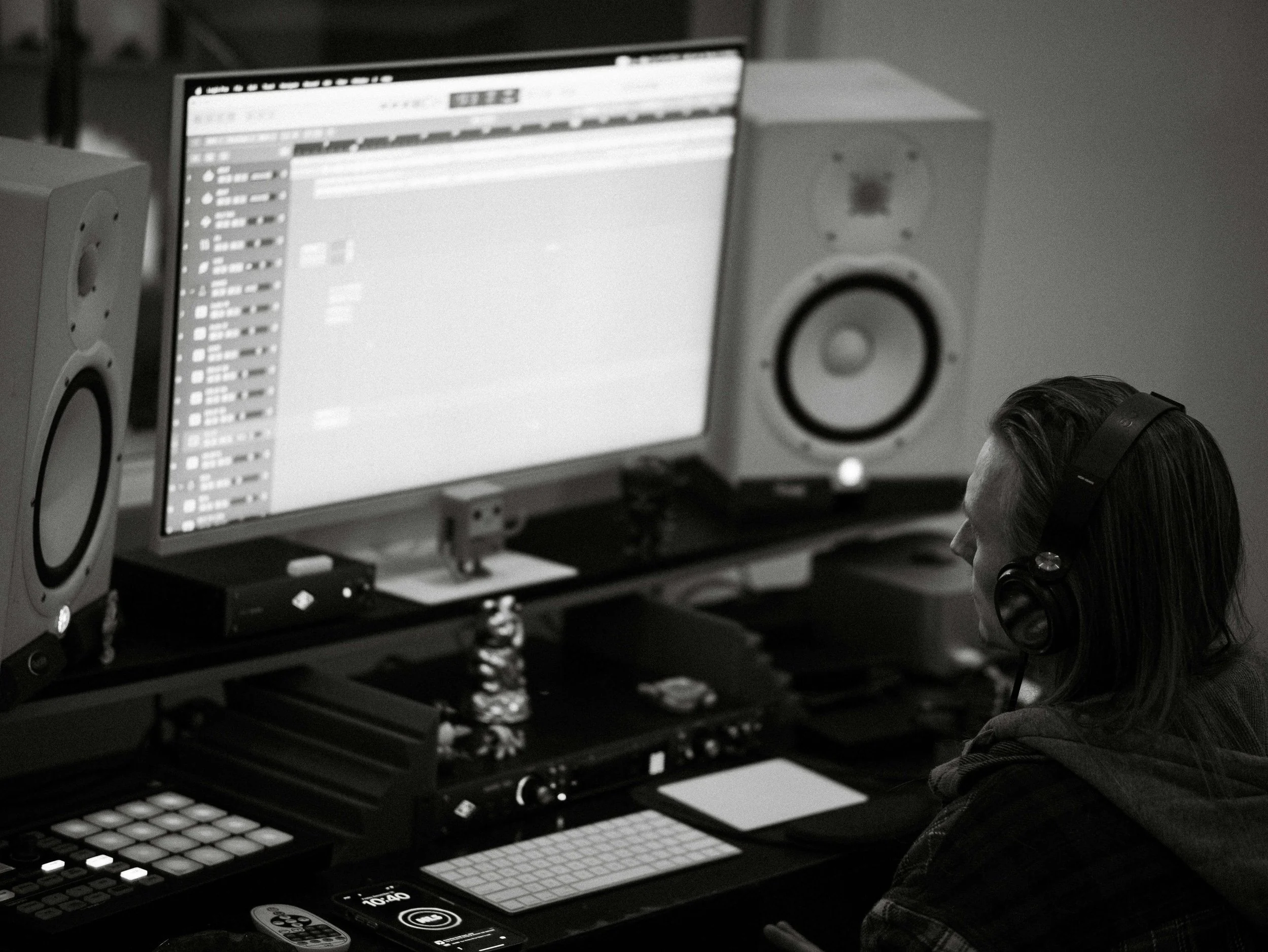
Every good engineer grows one.
It’s the voice that waits before touching a plugin. The part that doesn’t panic when the first pass fails. The one that lets a song stay odd. It notices your craving — to fix, to impress, to end the discomfort of not knowing — and it doesn’t obey.
It doesn’t say “trust the process.” It says: turn it down; listen again; stop trying to win.
Practically, it can be a rule: first listen , with no plugins, no meters, just track and notebook. Level-match like it’s law. Work at a volume that doesn’t lie to you. Step away before the “big move,” because sometimes the big move is just your mood.
What the practice gives you
Treat mastering as active imagination and a few things happen:
You get less procedural. You stop chasing a signature “mastering sound.” You stop trying to be the engineer and start serving the record.
You also get cleaner, ethically. The real risk in mastering isn’t piracy, it’s using the artist’s work to settle your own need for control, certainty, or heroism.
Active imagination trains you to spot that possession in real time.
The result isn’t esoteric, it’s audible: masters that translate without sterilizing, that keep the record’s truth and still hold up in the world.
That’s the goal here after all, right?
A simple way to start
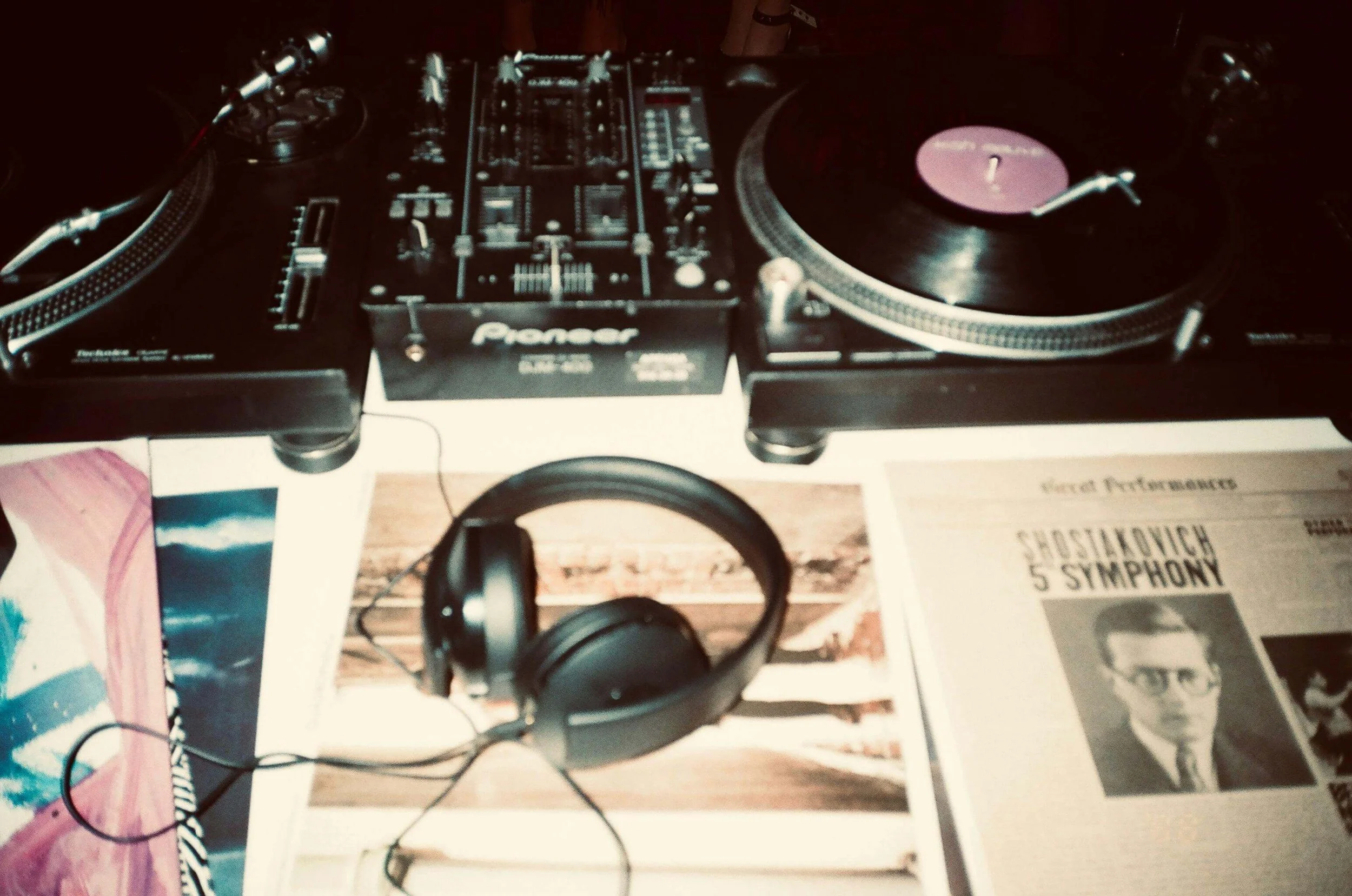
Next project, notice one moment when you feel that reflexive “fix-it” impulse.
Don’t. Yet.
Loop the section. Ask yourself:
What is this trying to be?
What am I trying to make it be?
Then act on the first answer, not the second.
Do it often enough and you’ll find the seam between technique and compulsion.
That seam is where good mastering lives.
And if Jung was right, it’s also where life gets simpler: less projection, less recoil, more contact with what’s actually there.
The record becomes a mirror you don’t use for vanity, you use it to see.