
The Attention Budget

Most audio arguments are really attentional arguments in disguise.
When people say they want “more detail,” “more warmth,” “more impact,” “more clarity,” what they usually mean is simpler. They want the track to be easy to hear. Easy as in legible; followable; not tiring.
Listener attention is the hidden limiter on everything we care about: emotional impact, intelligibility, retention, and that slippery thing we call “high fidelity.” Psychoacoustics explains why some signals are effortless to parse while others demand work. Cognitive science explains how prediction and surprise steer focus over time.
If you want a non-academic model you can actually use, it’s this:
Attention gets allocated by three forces:
Salience: what grabs you automatically
Prediction: what your brain expects next
Effort: the cost of decoding what you’re hearing
A lot of “quality” isn’t a trait floating above the music. It’s a change in these three numbers. Clarity lowers effort. Coherence supports prediction. Contrast aims salience instead of letting it scatter.
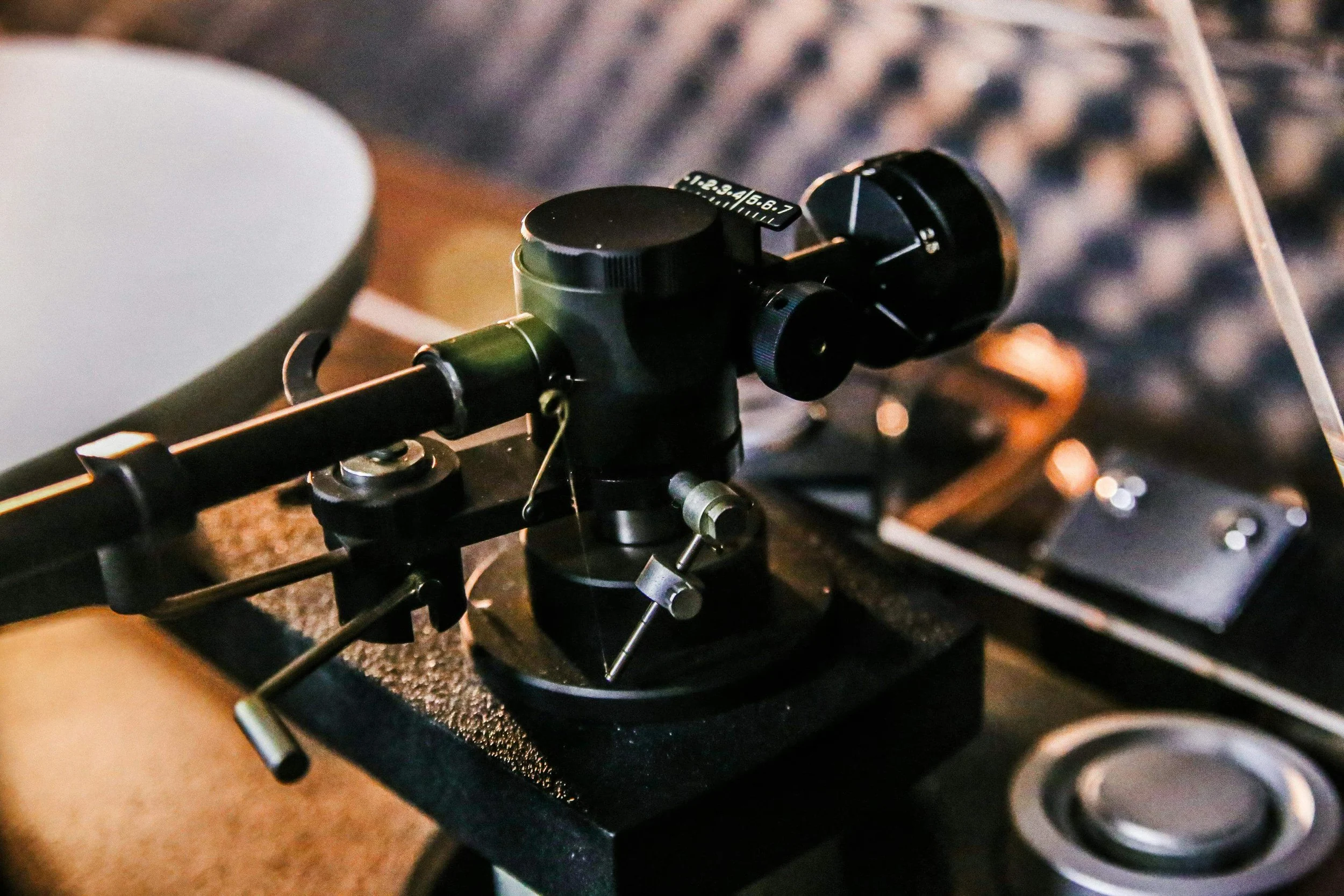
The on-paper version of listening is clean: a quiet room, a switch, two files, a focused listener.
Real listening is a mess.
People are tired. They’re driving. They’re cooking. They’re on earbuds with a boosted upper-mid. There’s street noise, fan noise, life noise. They’re not giving you a ceremonial hour. They’re giving you fragments.
So the decision is rarely “better vs worse.” It’s more like:
Can I nod along to this without trying?
Does this feel real, or hollow?
Am I leaning in, or am I bracing?
In those conditions, attention becomes cost. And the listener’s mind does what minds do: it protects itself. It looks for something easier to follow.
That’s why the most brutal failure mode in audio isn’t “bad.” It’s fatiguing. Fatigue is the real thing that draws your hand to the skip button.
The ear has a bias, and it lives where meaning lives
One psychoacoustic fact matters more than most:
Humans are most sensitive roughly around 2 — 5 kHz.
That’s a big chunk of the information band. Consonants, intelligibility, presence, edge, bite, sibilance, irritation — all crowd the same neighborhood. If you create constant conflict there, you’re taxing the listener in the exact region their brain relies on to decode meaning.
This is why people can tolerate a lot of low-end nonsense before they bail, but they will leave quickly when the upper-mid is chaotic, sharp, or crowded.
Masking is listening effort made audible

Masking sounds like a mixing concept, but it’s more basic than that. Your auditory system doesn’t read sound as a perfect spectral analyzer. It groups frequencies into regions. Within those regions, elements can blur together. One sound can make another harder to detect even if they’re both present.
So when you stack multiple important elements in the same band at the same time, you’re asking the listener’s brain to do separation work.
That separation work is effort, and effort is not neutral. It accumulates. And once it accumulates, attention starts looking for the exit.
This is one reason “I can hear everything” is a misleading goal. Hearing everything isn’t the same as following everything. The real question is: what is the listener supposed to follow right now?
Prediction is the invisible scaffolding of “good sound”
Here’s the part that tends to get over-complicated in academic writing, but it’s easy to feel and describe plainly.
Your brain predicts things constantly: timing, tone, phrasing, space, pattern. It’s building a model of what this sound-world is and how it behaves. When a signal supports stable prediction, listening feels effortless. When it violates prediction with payoff, listening feels exciting. When it violates prediction without payoff, listening feels like noise.
That is the difference between “interesting” and “annoying” more often than we want to admit.
This connects to a simple production truth:
Stable cues make the listener feel at home.
timing that doesn’t smear
timbre that doesn’t wobble unpredictably
space that makes sense as a room, not a fog machine
dynamics that create landmarks instead of continuous urgency
You can be abrasive and still be coherent. You can be dense and still be legible. But you can’t be consistently incoherent and expect attention to remain forgiving.
Audio quality ≠ higher effort
This is the core claim, stripped of jargon:
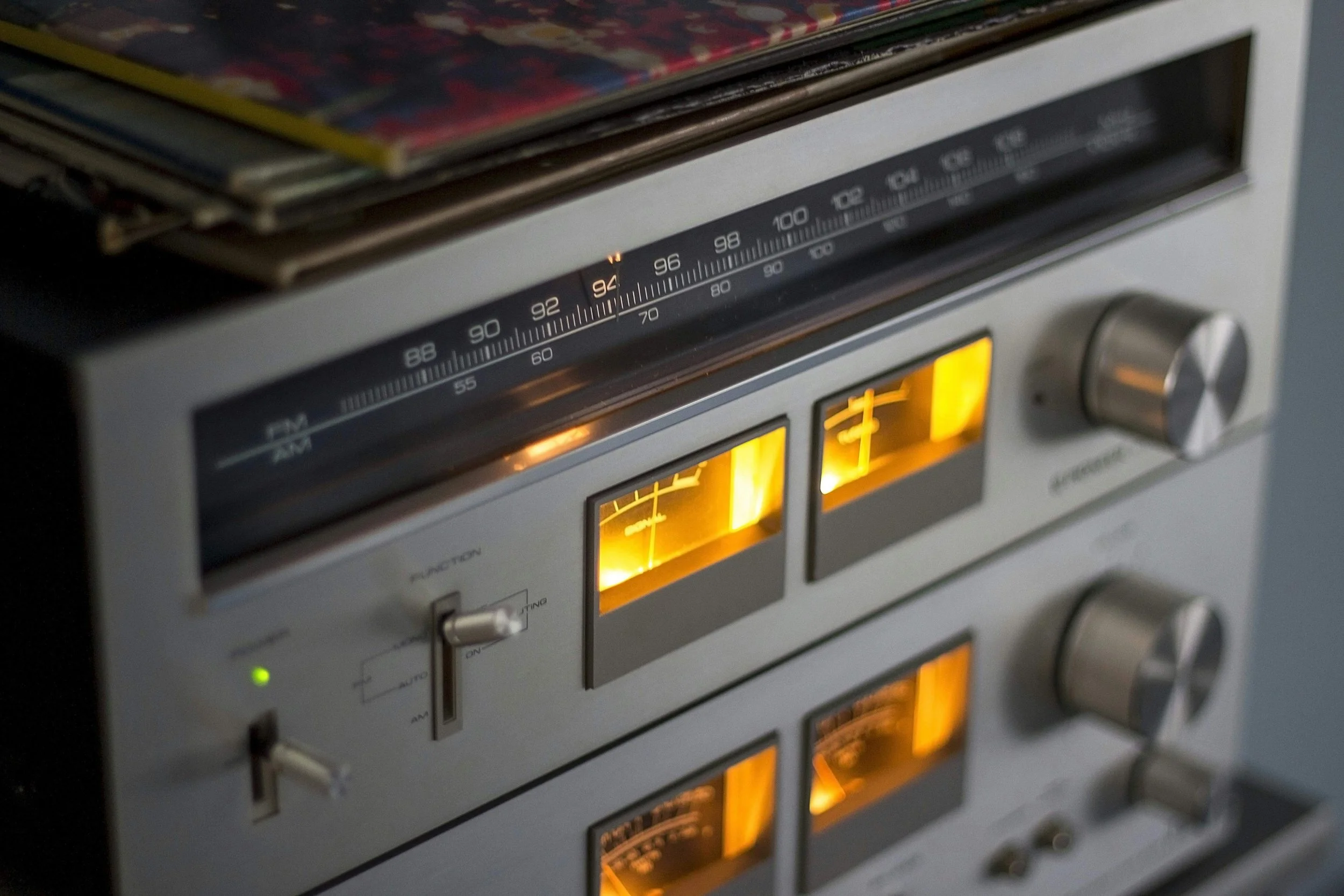
Perceived quality often means the listener doesn’t have to work as hard to understand what’s happening. Not because everything is simple, but because the signal is organized.
That’s why you can hear a simply arranged record that feels expensive, and a more detailed record that feels cheap. The cheapness isn’t in the gear. It’s the cognitive debt. You can feel when a mix is charging interest.
A mix that preserves cues — timing, intelligibility, coherent space, stable spectral relationships — feels “high quality” even before the listener can explain why.
And the inverse is also true: you can have pristine sonics that still become exhausting if the brain can’t form a stable model of what matters.
Detail that doesn’t organize into meaning is just information. Information without hierarchy is clutter.
Attention has two modes: capture and commitment
There’s a useful distinction in attention science between what grabs you automatically and what you choose to sustain.
Bottom-up capture is reflexive: a sharp transient, a sudden brightness, a shift in width, a new voice, a drop. It’s the auditory equivalent of turning your head. Conversely, top-down attention is voluntary: following a lyric, tracking a melody in a dense arrangement, staying with a slow build.
A lot of modern production is excellent at capture and weak at commitment. It can constantly tug at you, but it doesn’t always hold you. The listener gets a series of jolts without a stable thread.
And there’s an ugly cousin of capture: the element that becomes salient by accident. The clicky hi-hat edge. The glare of vocal sibilance. The low-end pumping that turns groove into muddy wobble.
The listener’s attention goes there because it must. Then they associate that involuntary focus with “this feels bad.”
Again: not moral failure, just mechanics.
The clearest sign your mix is working: the listener stops noticing it
When audio is organized, listeners stop checking it.
They stop questioning vision.
They stop adjusting the volume.
They stop scanning for what the snare is doing.
That state is fragile. It’s not created by one magic plugin move. It’s created by a pattern of restraint: removing costs that don’t add meaning, and spending salience intentionally.
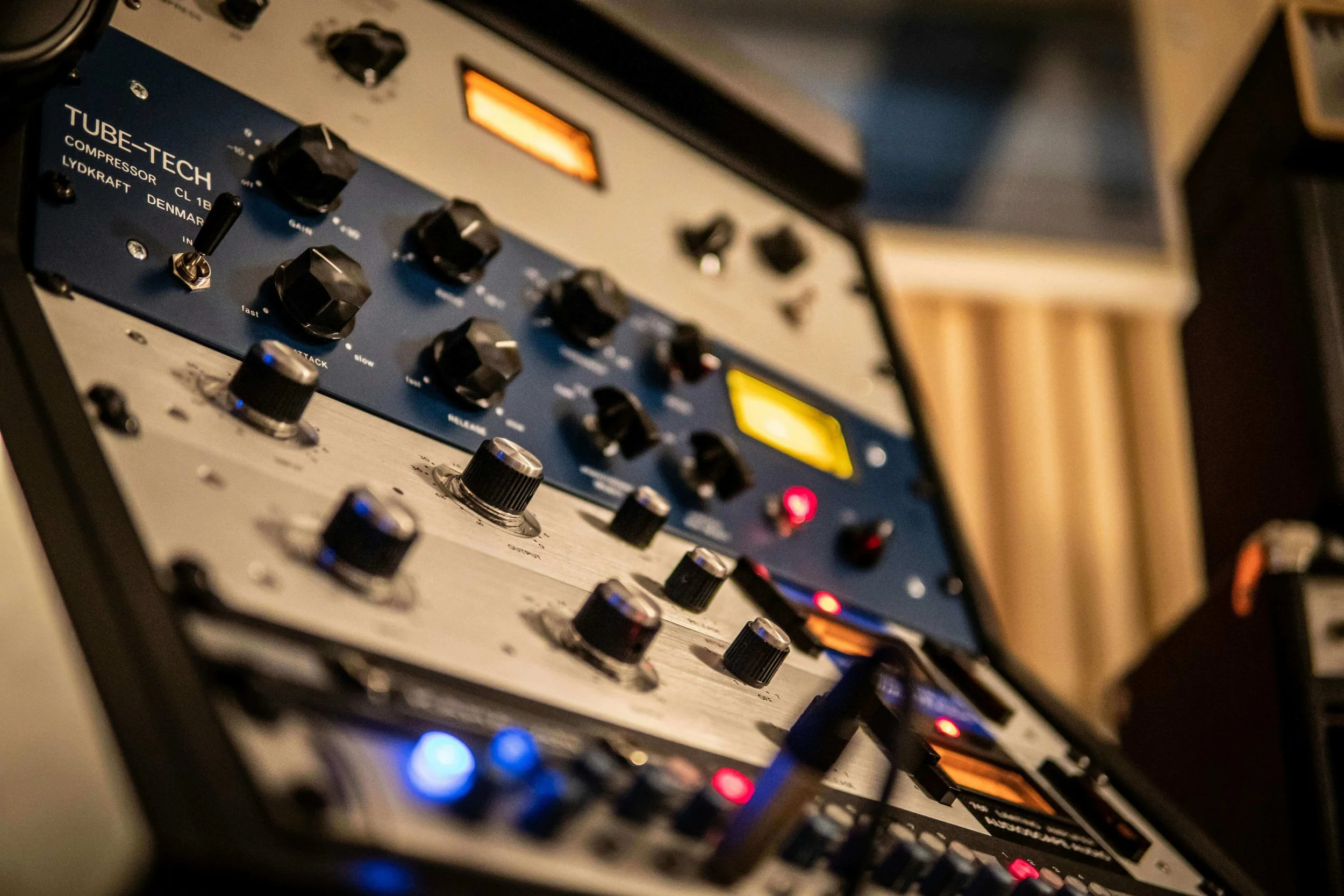
Why compression gets confusing
Compression is not the villain. The problem is what happens when we erase sonic signatures.
The brain uses contrast as orientation. Verse/chorus lift. Phrase breathing. Micro-dynamics that imply motion. Transient identity that signals “this is the decisive moment.”
When everything is at the same level, the listener loses the sense of “why now?” There’s no narrative contour. It becomes a flat plane of intensity, which paradoxically feels less impactful over time. Some people describe this effect as “loud but small.” That’s a remarkably accurate way to put it. The effect is the perceptual system saying: “I can’t find structure.”
Structure is what prediction latches onto. Structure lowers effort. Structure holds attention.
Voice is the most ruthless attention test
If you want to understand attention-as-cost, work on speech.
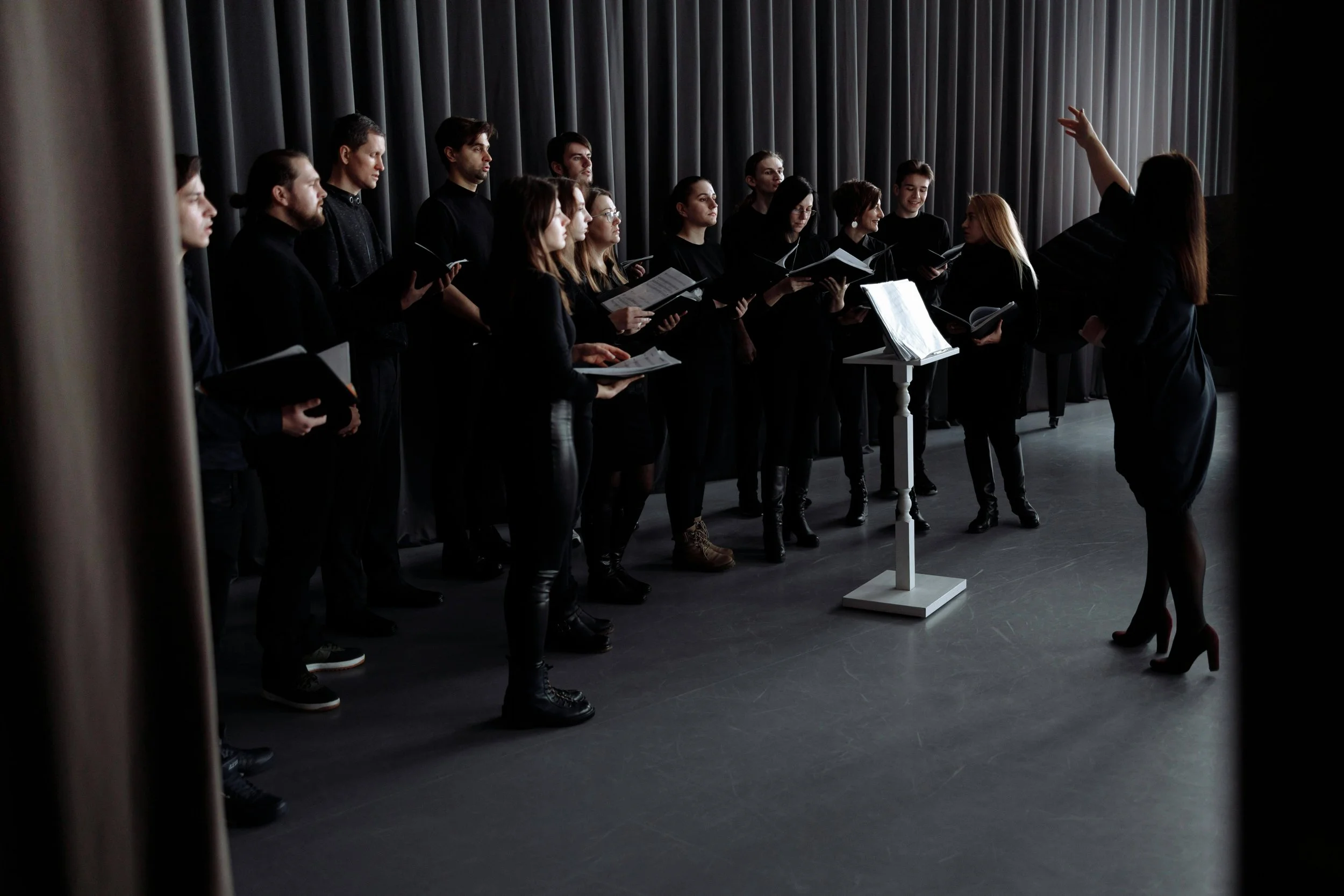
Voice content (podcasts, audiobooks, narration) is where listeners have the least patience for effort because they’re usually doing something else. The moment decoding becomes work, meaning drops out.
Room reverb, noise, inconsistent loudness, harsh consonants, mouth noise that becomes foreground: these aren’t “annoying details.” They are attention thieves. They force the listener to spend effort on parsing instead of understanding.
Good voice work isn’t sterile but rather merciful. It says: “I won’t make you fight for meaning.”
Games and immersive audio: attention under load
Interactive audio is attention science with the mask ripped off.
When cognitive load is already high, any extra decoding cost becomes a point of failure. If critical cues get masked by ambience or music, players don’t think “bad mix.” They think “unfair game.” Audio quality directly impacts usability.
Spatial audio can help here because localization is a powerful organizer. But space can also become noise if it’s smeary, constantly moving, or unfocused. Motion is attention-expensive. If everything moves, nothing guides.
In my experience, the best immersive audio feels almost invisible: it routes attention without announcing itself.
A Jungian aspect: salience becoming persona
The modern environment rewards legibility. Fast signals. Easy cues. Immediate reactions. In audio, that can translate into a kind of sonic persona: constant edge, constant urgency, constant “look at me.”
It works, in the sense that it captures attention. But it often doesn’t nourish it.
Carl Jung had a clean way of framing this tension: the persona is what’s optimized for the social surface. It is functional and it is also prone to breaking when it is adopted as the whole self.

There’s an audio version of that: mixes optimized for instant impression often quietly tax the deeper capacity to stay with the piece. Everything is “readable” quickly, but nothing invites commitment.
I don’t mean that we have to make everything subtle. I mean: don’t confuse salience with meaning.
The listener can feel when they’re being grabbed versus when they’re being guided.
A better question than “is it high quality?”
Try this instead:
What kind of attention does this invite?
Does it invite close listening?
Does it invite discomfort?
Does it invite contact?
This is why the philosophical framing matters. Not as a vibe, but as an ethic. If attention is “selection-for-action” then audio isn’t just entertainment. It’s a training ground for how the listener’s mind relates to experience.
Some sound asks the listener to become sharp and defensive. Some sound asks them to become present.
Neither is automatically “better.” But it’s worth being honest about which world you work occupies.
What to do with this as an artist, producer, or mixer
1. Decide what matters now.
Every section has a lead, even if it’s an atmosphere. If you don’t decide, the ear will decide for you , and it often chooses sibilance.
2. Protect the cues the brain uses to organize sound.
Timing, intelligibility, coherent space, stable spectral relationships. These are the pillars of prediction. Break them deliberately, not accidentally.
3. Remove effort that doesn’t earn meaning.
If an element adds cost without payoff, it’s wasted energy.
4. Use contrast as punctuation, not decoration.
Contrast creates landmarks. Landmarks hold attention. Without them, everything becomes “same intensity, different moment.”
That’s the craft, to me: active, ego-less listening, with decisions you can justify in human terms.
The clean takeaway
Listener attention is a budget. And audio quality, in practice, is often the feeling of that budget being respected: cues preserved, effort minimized, contrast aimed with intent.
You don’t keep listeners by being perfect. You keep them by being legible.
And when you get it right, the listener stops analyzing the sound and starts simply enjoying it.