
Working With a Mastering Engineer Remotely

In today’s music industry, geography matters far less than it once did. You no longer need to live in the same city — or even on the same continent — as your mastering engineer. Remote mastering has become a standard practice for artists, producers, and labels worldwide, allowing you to collaborate with the best fit for your music, no matter where they’re based.
As a Seattle-based mastering engineer with over 2,000 credits for artists across North America, Europe, and Australia, I’ve built my studio and workflow around this global reality. In this guide, I’ll walk you through exactly how working with a mastering engineer remotely works, what to expect from the process, and how to get the best possible results when your collaborator is thousands of miles away.
Why Work With a Mastering Engineer Remotely?
The most obvious reason: access to talent. The mastering engineer whose work resonates most with you might not live in your city — or even your time zone. Remote mastering removes those limitations.
Other benefits include:
Specialization over convenience
You can choose someone whose approach, credits, and aesthetic align with your music rather than settling for the nearest available option.
Flexible scheduling
Without needing to book a physical session, you can work asynchronously. This is especially helpful when you and your engineer are in different time zones.
Cost efficiency
Remote mastering eliminates travel costs, room booking fees, and other in-person session expenses.
Clearer perspective
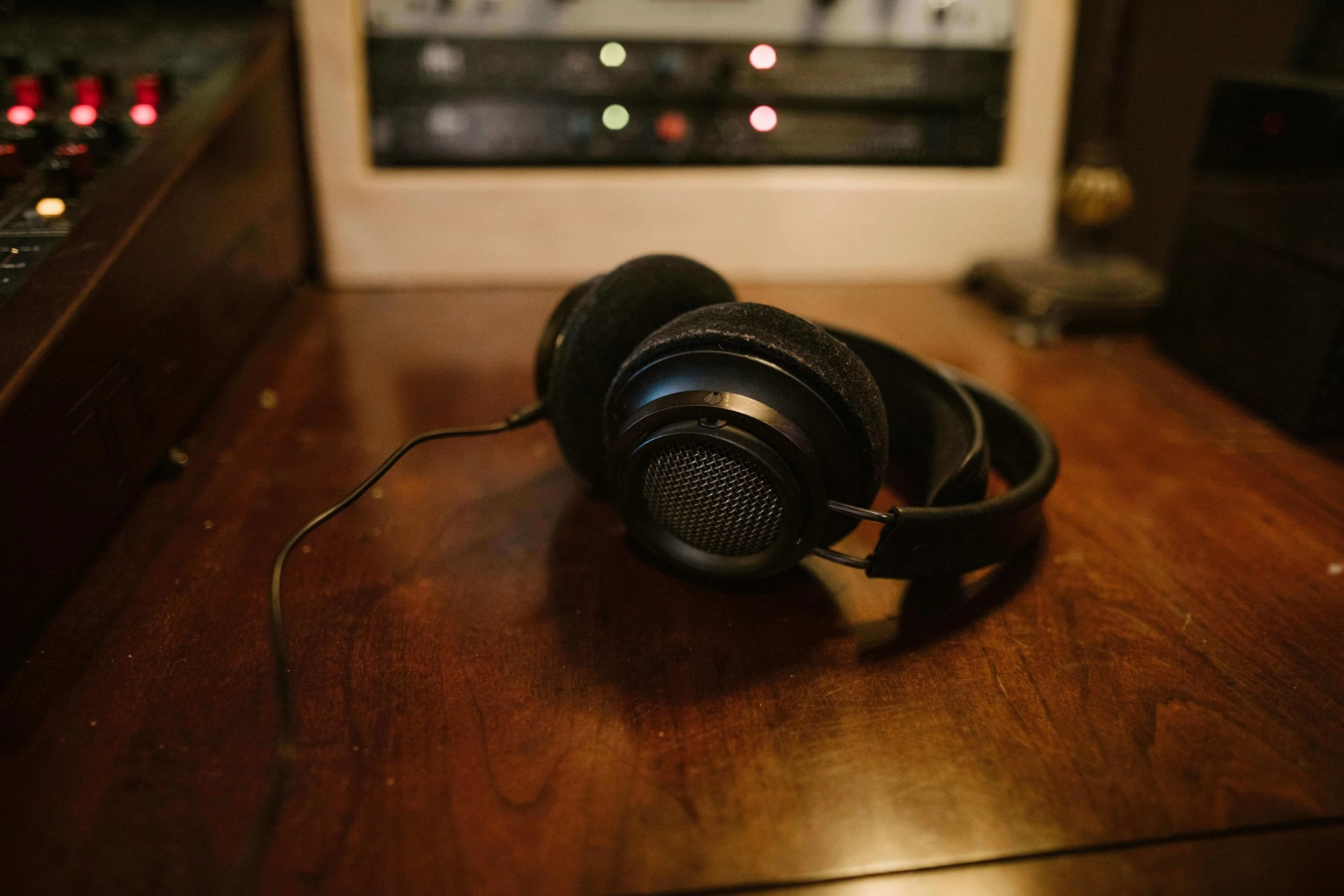
Sending your work to someone in a completely different environment can reveal details and translation issues you might miss in your own space.
How Remote Mastering Works
While every engineer’s process will differ, my remote mastering workflow is designed to be straightforward, transparent, and consistent — whether I’m working with an artist in Los Angeles, London, or Melbourne.
1. Initial Contact and Discussion
We start by talking about your project: the number of tracks, your sonic goals, and any deadlines. This can happen over email, a quick call, or even a direct message — whatever’s most comfortable for you.
2. Sending Your Mixes
I accept lossless WAV or AIFF files at the original mix resolution. You can upload them directly via my secure file upload link (no login required) or send a Google Drive, Dropbox, or WeTransfer link. If you have alternate mixes (instrumentals, clean edits), it’s best to send them at the same time.
3. Mastering Process
Once I receive your files and confirm the project, I’ll begin work. In my studio, I use a combination of high-end analog and digital tools, guided by both technical precision and emotional fidelity — a philosophy I call The Wright Balance Method. My goal is not just to make your music louder, but to bring out its meaning, depth, and coherence.
4. Revisions
Remote doesn’t mean inflexible. I offer up to three rounds of revisions per song at no extra cost, ensuring we arrive at a master you’re confident in.
5. Final Delivery
You’ll receive your masters in the formats you need:
24-bit / native sample rate for highest quality
16-bit / 44.1 kHz for CD or general distribution
MP3 for reference
Apple Digital Masters are also available on request.
Working Across Time Zones
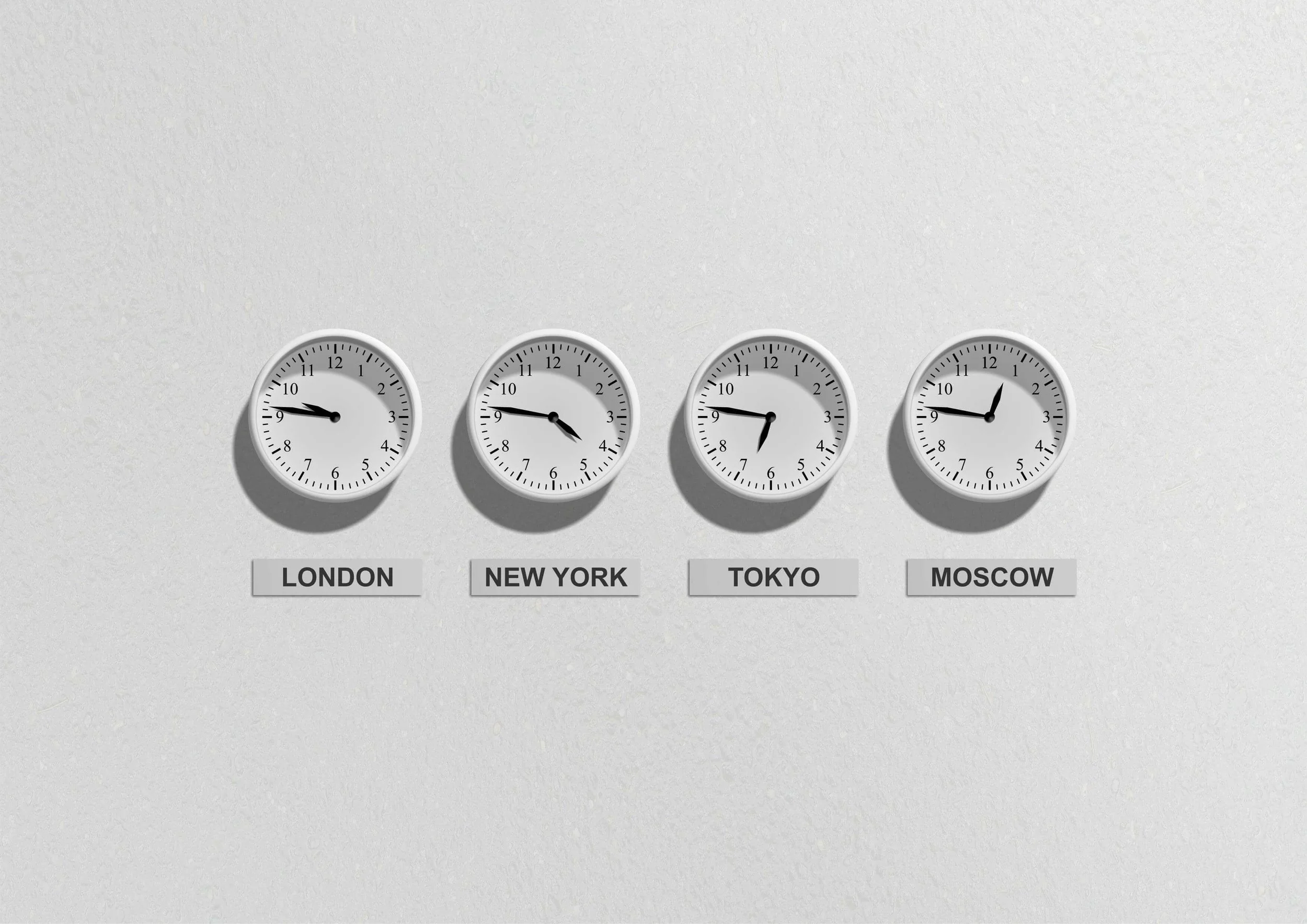
One of the biggest concerns artists have about remote collaboration is time difference. In practice, this often works to your advantage.
For example, if you’re in London and send me mixes in your evening, I can often have a master ready by the time you wake up. Likewise, Australian clients benefit from the overlap between their morning and my afternoon.
Good remote mastering is about clear communication more than clock alignment. I provide estimated delivery windows upfront and stick to them, so you always know when to expect files.
How to Get the Best Results From a Remote Mastering Session
Working with someone you can’t sit in a room with means you’ll want to prepare carefully. Here are some best practices:
1. Send the highest-quality mix possible
Lossless files at the mix’s original resolution are ideal. Avoid clipping your mix bus and leave a small amount of headroom.
2. Provide context
Share reference tracks, artist influences, or even a short note about the emotional intent of your music. The more I understand your vision, the more precisely I can help realize it.
3. Communicate preferences early
If you’re particular about dynamics, stereo width, or tonal balance, say so before the first pass.
4. Be open to feedback
Part of my role is to spot technical or translation issues you might not hear in your own environment. Remote mastering works best as a dialogue.
5. Test your master in multiple environments
Just as I check translation across different playback systems, it’s useful for you to listen on headphones, speakers, and even a car stereo before signing off.
Common Misconceptions About Remote Mastering

“If I can’t be there, I can’t give input.”
False — real-time feedback can happen via email, messaging, or even quick listening sessions over Zoom or similar platforms.
“It’s less personal than in-person sessions.”
Not if the engineer treats it as a true collaboration. My remote clients often comment that the process feels as personal — if not more so — than sessions they’ve done in person.
“Time zones will slow everything down.”
As long as expectations are clear, different time zones can actually speed up the process.
International Clients: What to Expect
If you’re outside the United States, the process is essentially the same. A few additional notes:
Payment
I accept PayPal, Wise, and other international-friendly payment platforms to make transactions smooth.
Delivery formats
I can provide masters tailored for your target distribution platforms, whether that’s Apple Digital Masters, Spotify, Bandcamp, or vinyl pressing.
Turnaround
International projects usually follow the same 1–3 day turnaround for singles and 1–2 weeks for EPs/albums.
Why Work With Me?
I’ve mastered music for artists in the United States, United Kingdom, Australia, Canada and beyond. My credits span genres from indie and electronic to pop, R&B, and experimental. I’m certified for Apple Digital Masters and a graduate of Berklee College of Music’s Music Production and Engineering program.
More importantly, I see mastering as a form of care — not just technical polish. My approach balances precision with sensitivity, making sure your music translates everywhere without losing the essence that makes it yours.
Final Thoughts
Working with a mastering engineer remotely is no longer a compromise, but rather it presents an opportunity. It allows you to choose the right partner for your music, regardless of geography, and to collaborate on your own schedule.
If you’re looking for a mastering engineer who can deliver world-class results no matter where you are, I’d be glad to talk about your project. Whether you’re in Seattle, Sydney, London, or anywhere in between, the process is the same: clear communication, technical excellence, and a shared commitment to your music’s meaning.